Storm Damage Roof Repair in Saugus, MA
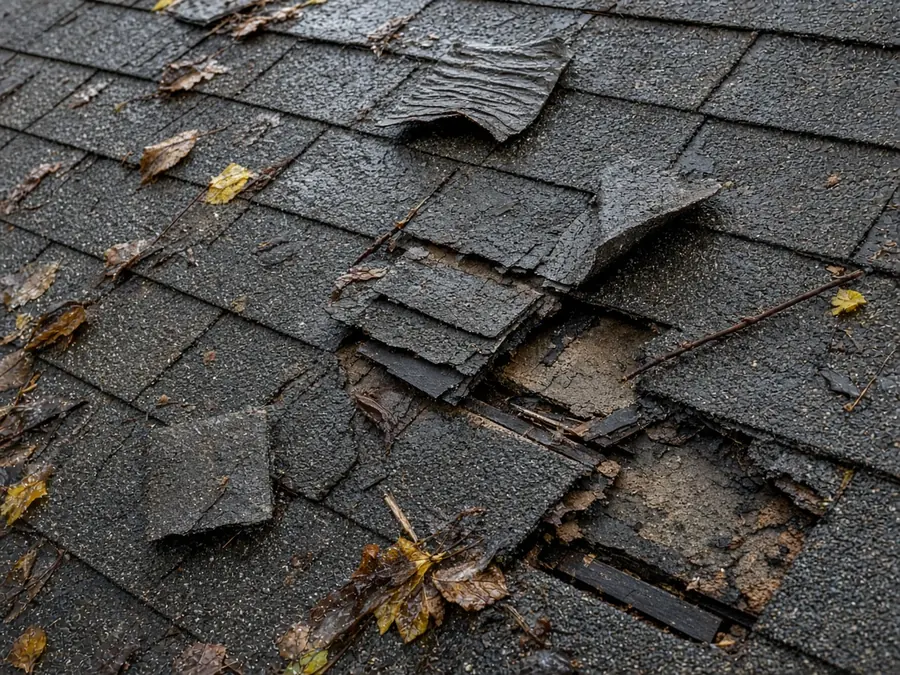
Nor'easters, summer thunderstorms, and heavy snow can tear off shingles, bend flashing, or drop limbs onto a roof. We connect you with independent local roofers who can tarp, document, and repair storm damage.
Saugus homes at a glance
Source: U.S. Census Bureau, American Community Survey 2020–2024 5-year estimates, via Census Reporter.
What that means for storm damage in Saugus
The state building code's basic design wind speed for Saugus is 119 mph, which reflects how exposed this part of Massachusetts is to coastal storms. Wind damage usually starts at the edges: rakes, eaves, ridge caps, and loose flashing.
In Saugus, mature trees near houses are a common source of storm damage to roofs, gutters, and siding. About 47% of homes in Saugus were built before 1960, and the median home was built around 1962.
About Saugus
The state building code lists Saugus at a 40 psf ground snow load and a 119 mph basic design wind speed.
The Saugus River runs through town to tidal marshland, and Breakheart Reservation's forest covers part of the town, so wind and tree-limb damage are both part of the storm picture here.
Signs to watch for
- Shingles in the yard after a windstorm
- A tree or limb on the roof
- New leaks after a storm
- Dented or lifted flashing and gutters
- Ice dams and leaks after a heavy snowfall
What the work typically involves
- Stay safe. Stay off the roof. If a tree is on the house or wires are down, keep away and call the utility or 911.
- Temporary protection. A roofer can tarp or temporarily seal the damaged area to limit water damage.
- Document. Photos and a written damage report help if you file an insurance claim.
- Permanent repair. Once the claim and scope are settled, the roofer completes the repair or replacement.
Helpful resources: Mass.gov: Home Improvement Contractor resources · 780 CMR 10th ed., Chapter 16 (Table 1604.11 snow and wind by town) · Mass.gov: Breakheart Reservation
Why roof leaks and ice dams matter
Ice dams and roof leaks can push water into ceilings, insulation, and wall cavities, and wet attics are a common place for mold. Roofing experts recommend inspecting your roof in spring, fall, and after big storms.
Sources: UMass Building & Construction Technology: Preventing Ice Dams · U.S. DOE Building America Solution Center: Attic Air Sealing, Insulating and Ventilating for Ice Dam Prevention · EPA: A Brief Guide to Mold, Moisture and Your Home · NRCA: Consumer Information
Storm Damage in Saugus: FAQ
A tree fell on my roof in Saugus. What first?
Get everyone out of the affected area. Stay clear of downed wires and call the utility or 911 if lines are involved. Then call your insurer and a tree and roofing professional for emergency removal and tarping.
How do I check a storm-chasing roofer in Saugus?
Ask for the HIC registration number and look it up with the state. Ask for local references, proof of insurance, and a written contract before work begins.
Will insurance pay for storm damage?
Many homeowners policies cover sudden wind or storm damage, subject to your deductible and terms, but not wear and tear. Check with your insurer; we cannot advise on coverage.
Someone knocked on my door after the storm offering a free roof. Is that normal?
Be careful with door-to-door storm offers. Ask for the contractor's Massachusetts HIC registration number, get a written contract, and do not pay a large deposit up front.